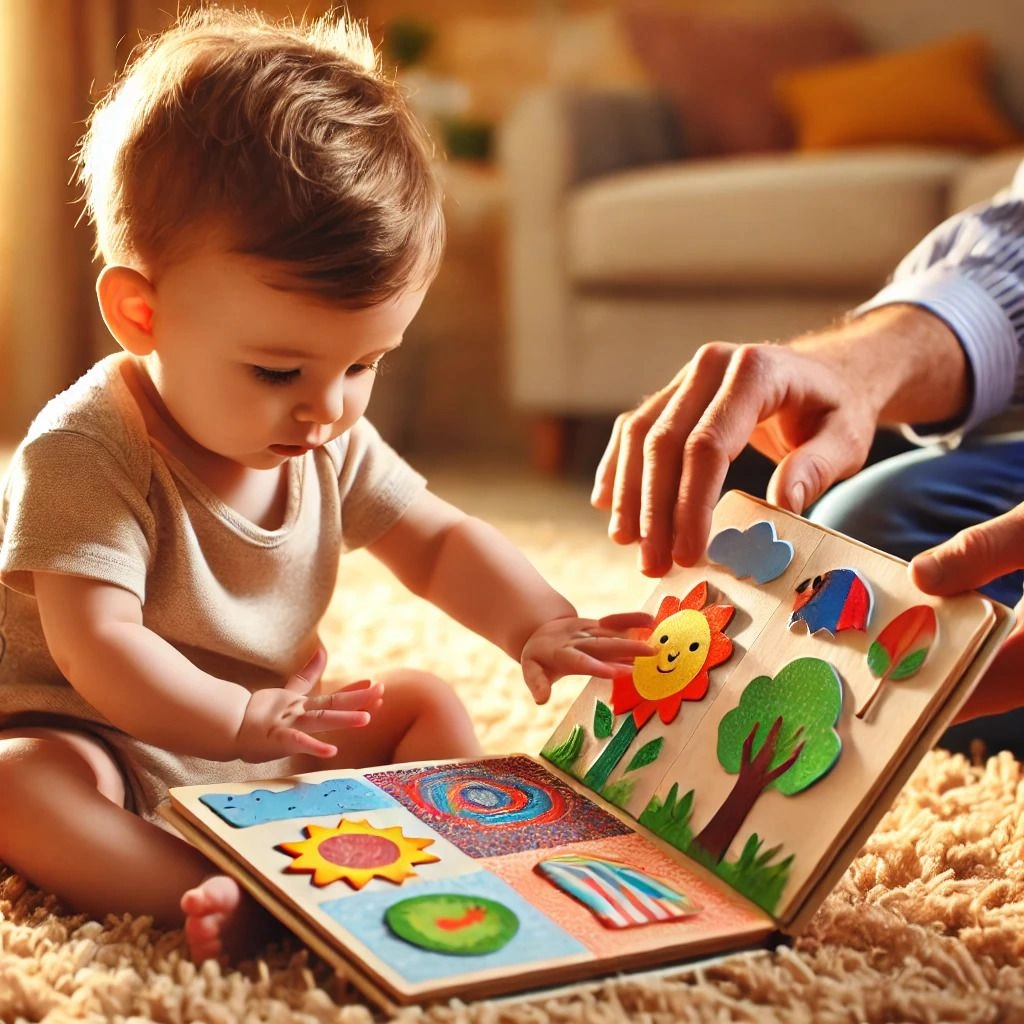
From the earliest months of life, babies begin absorbing information about the world around them. Their curiosity drives exploration, and their playtime becomes a crucial part of their growth. While toys may seem like simple objects of entertainment, they actually play a much greater role. The right educational toys that boost baby development stimulate learning, encourage problem-solving, and enhance key skills.
As parents, choosing the best toys often feels overwhelming. With endless options available in online and offline stores, how can you select the right ones that support your baby’s journey? This guide provides insights into picking toys that are both fun and developmentally enriching.
Why Educational Toys Matter for Babies
Educational toys are not just about entertainment; they are tools for growth. When babies interact with such toys, they develop important skills like hand-eye coordination, motor control, and early problem-solving. For instance, a simple stacking toy teaches balance, while colorful blocks encourage creativity.
Moreover, these toys lay the foundation for lifelong learning. Early exposure to problem-solving and imaginative play helps children build resilience and adaptability. Thus, investing in quality baby learning toys is an investment in your child’s future.
Understanding Developmental Stages
To choose the right toys, it is important to first understand your baby’s developmental stages. Babies grow quickly, and each stage requires different types of stimulation.
0–6 months: Focus on sensory play. Toys with sounds, textures, and contrasting colors are ideal.
6–12 months: Encourage movement. Rolling balls, rattles, and push toys support motor skills.
12–24 months: Develop problem-solving and coordination. Shape sorters, stacking cups, and musical toys work best.
Recognizing these stages ensures you select toys that are age-appropriate, safe, and effective in promoting growth.
The Role of Sensory Play in Baby Development
Sensory play is one of the most powerful ways babies learn. Toys with different textures, colors, and sounds engage multiple senses, strengthening cognitive pathways. For example, soft plush toys with crinkling sounds stimulate auditory and tactile senses.
Additionally, sensory-rich educational toys that boost baby development encourage curiosity. Babies learn cause and effect, such as shaking a rattle to hear a sound. These small discoveries build confidence and support early cognitive development.
Encouraging Cognitive Growth Through Toys
Cognitive development refers to how babies think, explore, and solve problems. Toys that challenge memory, recognition, and reasoning skills are essential. Shape sorters, nesting cups, and puzzles designed for infants promote early problem-solving abilities.
Furthermore, toys with bright colors and interactive features enhance memory and recognition. Over time, these activities prepare your baby for more complex learning tasks, building a strong foundation for academic skills later in life.
Building Motor Skills with Interactive Toys
Fine and gross motor skills are equally important in baby development. Toys that require grasping, pulling, or pushing strengthen muscles and improve coordination. For example, stacking blocks or bead mazes refine hand movements.
On the other hand, ride-on toys or push walkers encourage physical strength and balance. By engaging with these baby learning toys, children not only enjoy playtime but also develop essential motor skills that prepare them for walking, running, and other physical activities.
Choosing Safe and Age-Appropriate Toys
Safety is the top priority when it comes to choosing baby products. Always ensure toys are made from non-toxic materials, free from small detachable parts, and tested for quality standards. Babies explore the world by putting objects in their mouths, so safety cannot be compromised.
In addition, age-appropriate toys are crucial. A toy designed for older children may frustrate a baby, while one meant for newborns may not provide enough stimulation. Reading labels and recommendations helps parents make the right choice.
The Importance of Social and Emotional Development
While physical and cognitive growth are often highlighted, social and emotional development also plays a critical role. Toys that encourage interaction—such as dolls, plush animals, or role-play sets—teach babies about empathy and connection.
Shared play with caregivers or siblings strengthens bonds and teaches cooperation. By engaging with others through educational toys that boost baby development, babies learn trust, emotional expression, and communication.
Eco-Friendly and Sustainable Toy Choices
In today’s world, parents are increasingly concerned about sustainability. Eco-friendly toys made from natural wood, organic fabrics, or recycled materials are safe and environmentally responsible.
Not only are these toys durable, but they also reduce exposure to harmful chemicals. Choosing eco-conscious options demonstrates responsible parenting while ensuring babies play with safe, long-lasting products.
Balancing Fun with Learning
While the educational value of toys is essential, fun should never be overlooked. Babies engage longer with toys that entertain and delight them. Therefore, balancing learning with playfulness is key.
For example, musical instruments designed for babies combine entertainment with skill development. Similarly, colorful stacking toys encourage both creativity and learning. When babies enjoy playtime, they naturally absorb lessons more effectively.
How to Select the Right Toys Online
With countless options available in online stores, it is vital to shop carefully. Always read product descriptions, reviews, and safety certifications before making a purchase. Trusted online baby stores often categorize products by age, making it easier for parents to choose.
Furthermore, online shopping offers the convenience of comparing brands and prices. By selecting toys from reliable sellers, parents ensure their babies receive only safe and beneficial products.
Conclusion: Investing in Your Baby’s Growth Through Play
In conclusion, toys are far more than objects of amusement; they are stepping stones in your child’s journey of growth. Choosing the right educational toys that boost baby development supports sensory exploration, cognitive skills, motor coordination, and emotional growth.
By understanding developmental stages, prioritizing safety, and balancing fun with learning, parents can make informed decisions. Whether shopping in physical stores or online, the goal remains the same: nurturing your little one’s growth through meaningful play.